
A used rollback can look convincing in six photographs and still leave a buyer with dozens of unanswered questions. The chassis, carrier body, installed equipment and paperwork each tell a different part of the story. A clean cab photograph does not answer a body-condition question, and an attractive price does not establish that the truck suits your work.
The most productive buying trip begins before you leave the shop. Ask for the information that helps you decide whether the truck deserves an inspection, then arrange the right professional review. This checklist is about organizing that process. It is not a substitute for an equipment inspection or the documents that apply to the exact unit.
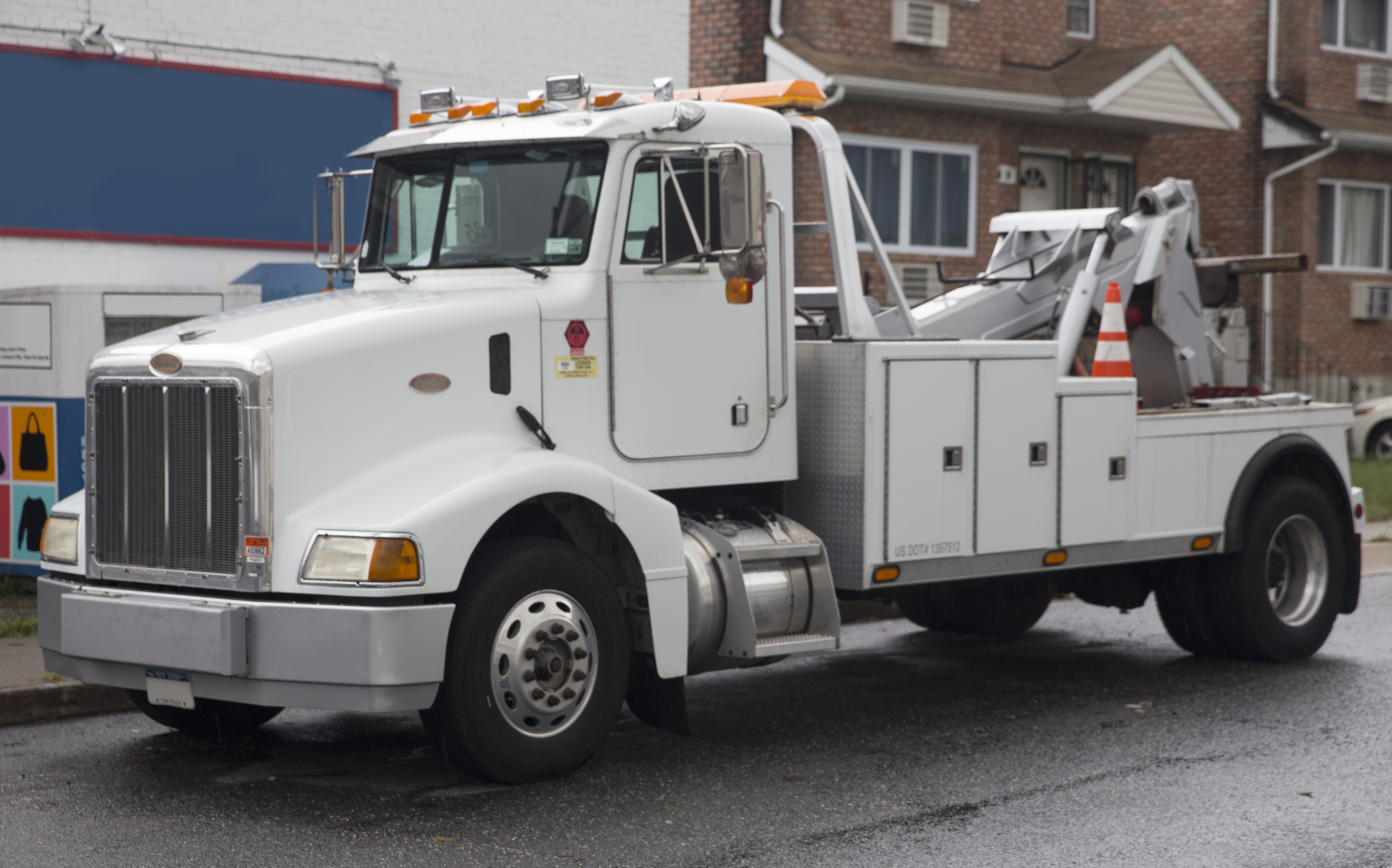
Decide what the next truck must do
Write a purchase brief based on the work you can reasonably support. Describe the vehicle mix, service area, staffing, storage and support arrangements. Separate essential requirements from features that would simply be nice to have.
Be especially careful about treating the chassis model as a complete equipment specification. A truck name does not identify every carrier-body option, installed component or later modification. Ask the appropriate manufacturer or dealer to help establish the configuration before deciding whether it suits the intended work.
Our original equipment-shortlist guide helps turn those requirements into a comparison sheet. Keep that sheet beside every advertisement you review. It makes it easier to say no to an appealing truck that does not fit the brief, and it stops the buying conversation from being driven entirely by the most recent seller you called.
Ask for identification before discussing details
Request clear photographs of the chassis VIN and the identification information for the body and relevant installed equipment. Ask the seller to type the identifiers into the message as well; photographs can be difficult to read once forwarded between several people.
Use those details to locate the applicable manufacturer documentation. Miller and Jerr-Dan organize technical resources around equipment identification, which is a better starting point than assuming a generic manual will cover every unit that looks similar.
If identification is missing, damaged or inconsistent with the advertisement, make that an unresolved question. Do not quietly fill the gap with an assumption. A useful seller response explains what is known, what is not known and where supporting records can be found. The replacement-parts article explains why chassis and body identification should remain separate throughout ownership.
Request records that can be matched to this unit
Ask what maintenance, repair and inspection records are available and whether the documents identify the specific truck or equipment. A folder of receipts is much more useful when the dates, identifiers and work descriptions can be followed.
Distinguish routine service records from documentation of a major repair, body installation or modification. Ask who performed significant work and whether the seller has the related invoice or manufacturer correspondence. If a claim cannot be documented, record it as the seller's statement rather than a verified fact.
Vehicle-history information can provide another reference point, but it is not a substitute for an independent inspection. The FTC makes that distinction in its consumer vehicle-shopping guidance. Commercial tow-truck transactions may have different legal requirements, so use appropriate professional advice for the actual sale rather than assuming a consumer-car rule automatically applies.
Ask for photographs that answer questions
A useful photo request is specific. Ask for complete views of the truck and body, legible equipment identification, the cab and controls, storage areas and close-ups of any condition concern already disclosed. Request images that show the item in context as well as detail.
Avoid asking a seller to perform an unfamiliar or unsafe demonstration for a video. A qualified inspector can decide what examinations or functional checks are appropriate, with the equipment handled by authorized people under the applicable procedures.
Ask when the photographs were taken. Seasonal conditions, later work or additional use may mean that older advertisement pictures no longer represent the truck accurately. If an important area is not shown, leave it on the question list. A missing photograph does not establish damage, but it also does not provide evidence that the area is in good condition.
Before traveling, agree on what the visit will allow. Ask whether the seller can make the truck and records available for the proposed independent inspection, where that work can happen and who coordinates the appointment. Clarify whether any limitations affect the inspection before you book travel. These arrangements do not establish the truck's condition, but they help prevent an expensive trip built around an inspection opportunity that was never actually agreed.
A useful pre-visit document request
| Request | What it establishes | What it does not establish |
|---|---|---|
| Chassis and body identifiers | Which units are being discussed | Current condition or suitability |
| Matched service and repair records | Documented work and dates | That every issue has been found |
| Current detailed photographs | Visible condition at the stated time | A complete inspection |
| Independent written findings | The scope and findings of that examination | A guarantee against future problems |
| Written warranty and sale terms | The terms actually offered | Coverage beyond those terms |
Plan an independent inspection before committing
Choose an inspector or qualified shop with experience appropriate to the chassis and installed equipment. Ask what the inspection will cover, what it will not cover and what arrangements are needed at the seller's location.
Share the purchase brief, identification details, available records and unresolved questions in advance. That gives the inspector useful context. Ask for written findings that distinguish observations from items that require further specialist examination or manufacturer confirmation.
Agree how access, scheduling and any associated costs will be handled before the visit. Do not assume an ordinary road-vehicle inspection covers every aspect of a rollback's installed equipment. Likewise, an equipment-focused inspection may not answer every chassis or transaction question. Your buying decision should combine the relevant findings rather than treating one short report as a blanket approval of the entire purchase.
Work out the full acquisition cost
The asking price is one line in the purchase plan. Add the costs you can identify for inspection, transport, registration or transaction requirements, any immediately necessary work and the support arrangements you will need. Obtain real estimates instead of inventing a universal percentage for repairs.
Keep confirmed costs separate from allowances for unresolved items. If a needed component has not been identified, its price is not yet a dependable number. Ask who will obtain the information and when the uncertainty needs to be resolved.
Financing, insurance, tax and legal questions belong with the appropriate professionals. This article does not calculate them for a particular buyer. For the equipment and service portions of the decision, our quote-comparison guide provides a consistent way to record inclusions, exclusions, freight and written terms.

Get warranty and sale terms in writing
A used truck may have different coverage for the chassis, body, installation and individual components, or no remaining coverage for some of them. Do not assume that a factory warranty remains in effect or transfers to the next owner.
Ask exactly who provides any offered warranty, what it covers, the time or usage limits, where work can be performed and whether approval is required before repairs. Save the actual terms with the sale record. A familiar brand name in the listing is not an explanation of coverage.
Make sure the written purchase documents match the agreed truck, included equipment, condition disclosures and any promises about work before collection. Use qualified transaction advice where needed. A directory connects you with sellers and suppliers; it does not verify title, certify condition, hold the purchase funds or guarantee what a seller has promised.
Make the handover part of the buying plan
Before collection, agree which documents, keys, manuals and included accessories will be handed over. Confirm the location, timing and responsible contact. If transport is involved, settle the arrangements rather than assuming the buyer and seller understand the same plan.
Record the truck and equipment identifiers in your own system as soon as ownership changes. Keep the inspection report, purchase documents and service information together. Photograph the received condition and note any discrepancy through the agreed process.
Create the first maintenance and inventory records before the truck enters normal use. Our maintenance-record guide shows how to keep those files usable. A careful handover does not eliminate every risk in a used-equipment purchase, but it gives your team a clearer starting point than a sale receipt and a promise to send the remaining paperwork later.
Common questions
Is a vehicle-history report enough?
No. It can be a useful document, but it does not replace an independent inspection of the actual vehicle and installed equipment. Review the report's own scope and limits.
Should I rule out a truck with incomplete records?
Incomplete records leave questions that must be reflected in the inspection and buying decision. Ask a qualified inspector what can be established and what remains uncertain; do not turn missing paperwork into an assumption of good condition.
Can I use the same checklist for a wrecker?
The document-organizing approach can help, but the equipment-specific inspection and suitability questions will differ. Use the correct manufacturer information and appropriately qualified people for the actual unit.