
A used tow truck ad does not need to sound like a television commercial. It needs to help a buyer decide whether the truck could fit the job and whether an inspection is worth arranging. “Runs great, ready to work” leaves almost every useful question unanswered.
A stronger classified gives buyers specific information, current photographs and a clear way to discuss what remains uncertain. It also saves the seller from answering the same basic questions all week. Start with what you can document, explain known limitations honestly and organize the listing around the truck that is actually being offered.
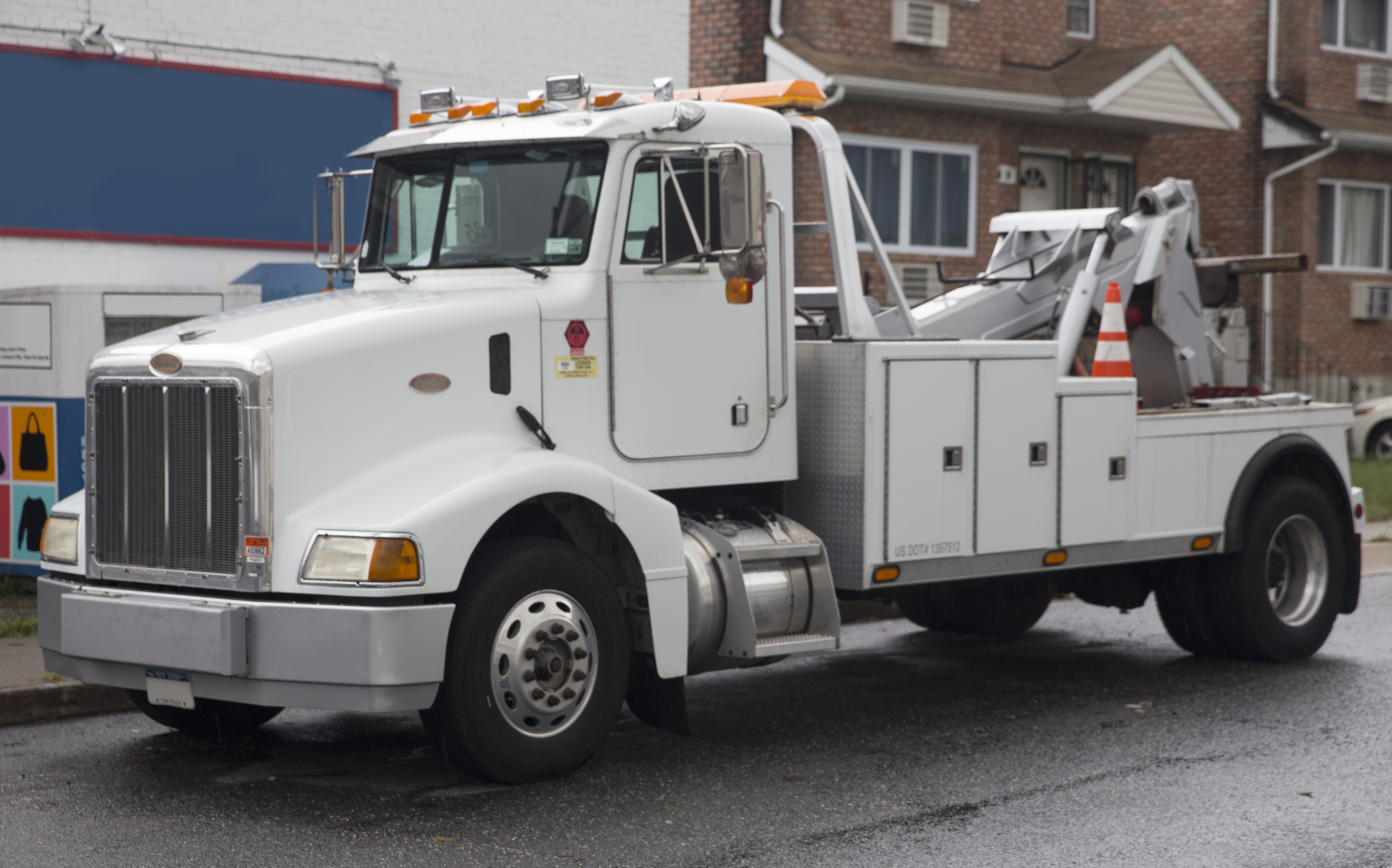
Describe the chassis and equipment separately
A tow truck combines a chassis with towing equipment, and the two may have different manufacturers, ages and identification records. State the chassis year, make and model accurately. Then identify the carrier, wrecker or other equipment separately using the available plate and documentation.
Do not let a chassis badge stand in for the entire truck description. If the body model or installation date is unknown, say so and explain what documentation is available. Avoid guessing a capacity from the vehicle's appearance or repeating an unverified specification from a similar truck online.
A useful title can be plain: year, chassis make, equipment type and one verified identifying detail. Put the remaining specifications in the body of the ad. Buyers should be able to scan the title without sorting through repeated keywords, exaggerated claims or a row of capital letters.
Collect facts before composing the sales pitch
Gather the information buyers are likely to request: recorded mileage, available hour readings, drivetrain details you can verify, equipment identification and relevant service documentation. Note the date of readings because the truck may remain in use while the ad is live.
Distinguish a displayed reading from a verified history. If an odometer has been replaced or the history is uncertain, describe that accurately. Do not use a precise number to imply a complete record you do not possess.
Create a private seller folder with clear photographs of identification plates and the records you are prepared to share appropriately. Avoid publishing unnecessary personal information from invoices or ownership paperwork. The purpose is to support legitimate questions, not to expose account numbers, addresses of previous owners or other unrelated details in a public image gallery.
Photograph the actual truck from useful angles
Use current photographs of the truck being sold. Start with clear exterior views, then show the cab, equipment, storage areas and other features mentioned in the description. Good light and an uncluttered background help a buyer understand the subject without turning the photos into a production.
Include known visible wear or damage rather than arranging every image to hide it. If a photograph is older, label its date and explain whether the truck's condition has changed. Do not use manufacturer stock images as evidence of the condition of a used unit.
Inspect the photo set before uploading. Remove duplicates and check that text is readable where necessary. Keep original image files so you can provide additional detail through an appropriate buyer conversation. Never stage an unsafe operation to obtain a dramatic photograph; ordinary stationary views can communicate the relevant information.
Describe condition with observations and records
Specific statements are more useful than broad assurances. An invoice showing a named repair on a particular date is evidence of that work. It does not establish that every related system is now free of problems. Describe what was done, by whom where relevant, and which records are available.
Disclose known faults, missing components and unresolved issues clearly. If a system has not been checked, do not describe it as tested. If you are relaying a previous owner's statement rather than your own documented knowledge, identify that distinction.
A seller can provide information while still expecting the buyer to arrange an appropriate independent inspection. Our used rollback buying checklist explains the kinds of questions buyers may ask. Giving those questions serious answers helps both parties understand whether it is sensible to continue.
Replace a vague claim with something a buyer can use
| Vague wording | More useful information | Evidence to keep |
|---|---|---|
| 'Low miles' | Dated displayed mileage and any known history limitations | Current reading and supporting records |
| 'Fully equipped' | An explicit list of included items | Inventory and current photos |
| 'Recently serviced' | Named work and its completion date | Relevant invoice or service entry |
| 'Excellent condition' | Observed condition, known faults and inspection availability | Photos and accurate disclosures |
| 'Ready to go' | Availability and arrangements still to be completed | Current listing and agreed sale documents |
Make the included equipment unambiguous
A photo may show tools, accessories or loose equipment that are not included in the sale. List what stays with the truck and what will be removed. If an item in a picture is excluded, say so close to the relevant description.
Separate installed equipment from optional items offered at an additional price. Give a buyer a clear base offer before introducing alternatives. Avoid phrases such as “everything you need” when the actual included inventory has not been agreed.
If a component's identification or condition is uncertain, do not solve the uncertainty with a sales adjective. Describe the available information and let the inspection or manufacturer documentation address suitability. A good classified starts the conversation. It should not make technical promises that exceed what the seller can verify about the truck's configuration.
Explain price, location and viewing arrangements
State the asking price clearly when the listing format supports it. If the price changes, update the actual listing rather than relying on a comment or an old screenshot. Describe the general location accurately so buyers can assess the practicality of travel.
Explain how a buyer can request an appointment and which contact method you monitor. Set reasonable viewing arrangements that work for your location and operation. Keep keys, original documents and access to the vehicle under the seller's control while the parties follow their agreed inspection process.
Do not copy payment or title language from an unrelated seller and assume it fits your transaction. A public classified is not the complete sale agreement. Resolve ownership, payment, inspection and handover requirements through appropriate documented arrangements before either party relies on the ad as the final deal.

Format the listing for people using a phone
Break the description into short sections: truck identification, equipment, condition, included items and contact or viewing details. Put the important facts near the beginning. A buyer should not need to scroll past a long introduction to find the year or equipment type.
Use familiar wording and spell the product names correctly. A few accurate terms help a listing be understood. Repeating “tow truck for sale” in every sentence does not add useful information. Natural writing also makes incorrect or missing details easier to notice during proofreading.
Read the ad aloud and compare it with your source notes. Remove any claim you cannot support. Our business listing guide covers a related task for company profiles; a truck classified should remain focused on the particular unit, its condition and the terms of the offered sale.
Before publishing, ask a colleague who did not write the ad to read it against the photos and fact sheet. Have that person identify anything ambiguous: an accessory visible but not mentioned, an equipment model that differs between the title and body, or a contact instruction that goes nowhere. This is a useful final check because the writer already knows the truck and may overlook a question that a new reader will immediately ask.
Keep the live ad current until the truck is sold
Choose one person to maintain the listing. Update readings, availability, included items and price when they change. If the truck develops a new issue or the seller removes an accessory, the public description should reflect that change before another buyer plans a trip.
Track recurring questions. If several buyers ask the same thing and the answer is appropriate for public display, add it to the listing. That is a better use of the description than adding more promotional language.
When the truck is sold or withdrawn, update the listing promptly. Keep a copy of the final description and the actual transaction records separately. Browse the classifieds to understand the site's equipment marketplace and review listing standards before posting. Towing & Equipment Directory connects people with information; the buyer and seller remain responsible for verifying the equipment and completing their own transaction.
Common questions
Should I include the equipment model in the title?
Include it when it is verified and fits naturally. Keep the title readable, then provide the detailed chassis and equipment information in the listing body.
Can I use an old photo if the truck looks the same?
Current photos are preferable. If an older image is necessary, identify its date and any relevant changes so buyers can understand what the image actually shows.
Does publishing a classified mean the directory inspected the truck?
No. A classified is information provided for the offered sale. Buyers should confirm details directly and arrange appropriate independent inspection and transaction checks.